If you are curious about LifeWave products but also a bit cautious, you are not alone. Many wellness-focused adults want natural options that feel safe, simple, and practical, without wild promises.
LifeWave offers small wearable patches that you place on your skin. They are non-transdermal, so nothing enters your body. The idea is that they work with your own light and acupressure points to support things like energy, sleep, stress, and healthy aging.
In this guide, you will see how the patches work in simple terms, the main types available, who may be a good fit, and how to decide if they deserve a place in your wellness routine.
How LifeWave Products Work In Simple Terms
LifeWave patches are often described as “phototherapy patches.” That sounds technical, but the basic idea is easy to understand.
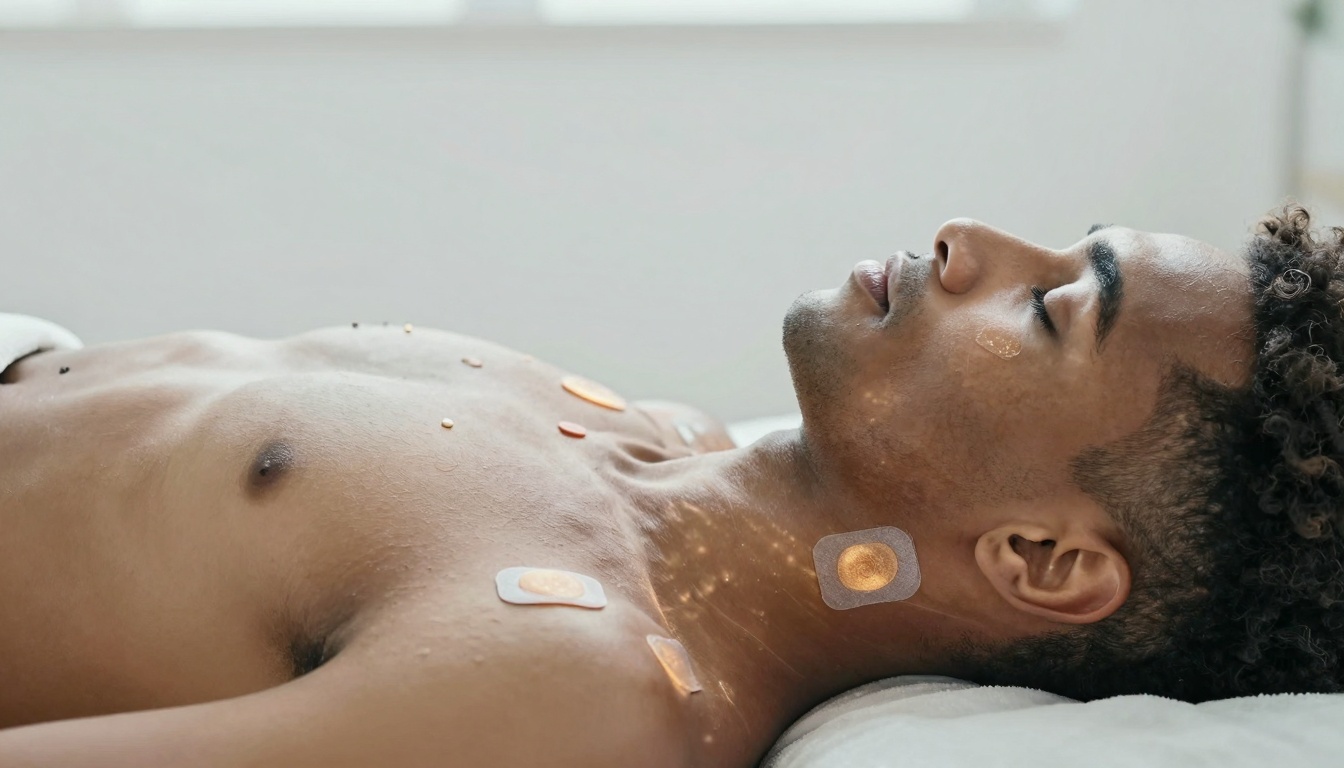
You place a small sticker-like patch on clean, dry skin for a set number of hours. The patch has materials that interact with the light and heat your body already gives off. Fans of the products say this light signals your body to adjust certain processes, which may help you feel more energized, calm, or comfortable.
The company uses language from both modern light therapy and traditional Chinese medicine. Instead of sending drugs through your skin, the patch is meant to act more like a signal or reminder to your body.
Some people say they notice changes within minutes or days. Others feel little or nothing. Like many wellness tools, responses can vary.
What LifeWave patches are and how you use them
You can think of LifeWave patches as thin, flexible stickers. You wear them for a certain number of hours, often up to 12, then remove and discard them.
You usually place patches on:
- The back of the neck
- The upper chest or torso
- The arms, hands, or wrists
- The lower legs or feet
Placement depends on which patch you choose and the guide that comes with it. Each product has a chart that shows suggested spots and how long to wear it, such as daytime only, nighttime only, or a mix.
You do not feel any strong sensation. Most people simply notice that a patch is there, like a small bandage, then forget about it during normal daily activities.
The idea of light, energy, and acupressure points
LifeWave explains that its patches work by reflecting your body’s own infrared light back into your skin. This reflected light may signal certain nerves or cells. In theory, that signal can support things like energy production, rest, recovery, or stress balance.
Many placement spots line up with acupressure points used in traditional Chinese medicine. These points are thought to influence the flow of energy, often called “qi,” through the body.
Some users feel more relaxed or alert soon after applying a patch. Others notice effects only after regular use, and some do not notice a clear difference at all. Results are not guaranteed, so it is smart to treat patches as one tool among many, not a magic fix.
Popular LifeWave Products And What They Are Used For
LifeWave offers several patch lines, each aimed at a different everyday need. You will see options that focus on energy, sleep, stress, recovery, and aging support.
Energy and focus support patches
Daytime energy patches are popular with busy professionals, parents, and active adults. These products are meant to support steady energy and mental focus instead of quick caffeine spikes.
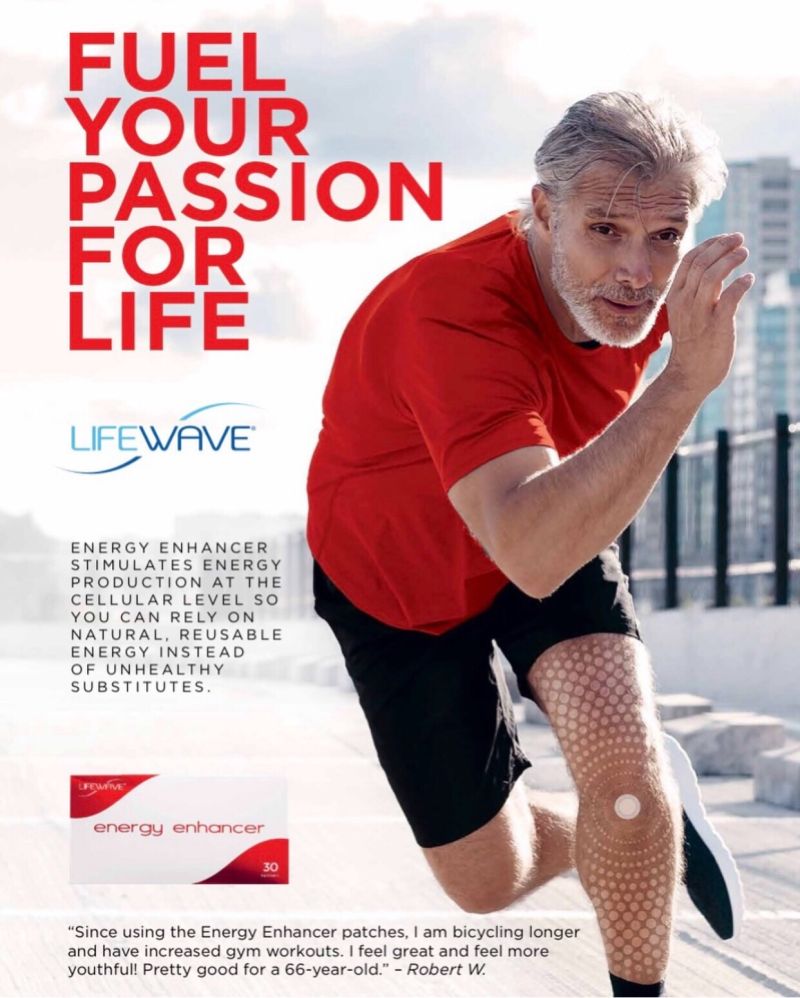
For example, many people who want non-drug support for daily stamina look into Lifewave Energy Enhancer patches for sustained vitality. Users often wear them during workdays, travel, or workouts to help with long meetings, errands, or training sessions.
If you try energy-focused patches, you still need basics like hydration, regular meals, and movement. The patch is best seen as a helper, not your only source of drive.
Sleep and stress support patches
Evening patches are meant to help you wind down so sleep feels more natural. Adults who feel wired but tired, wake often at night, or carry a lot of mental load may be drawn to these options.
You might place a sleep or relaxation patch on the back of the neck or upper body 30 to 60 minutes before bed. For best results, pair it with a simple sleep routine: dim lights, fewer screens, cooler room, and a regular bedtime.
These patches are not a cure for sleep disorders. If you snore heavily, stop breathing in your sleep, or have long-term insomnia, you should talk with a medical provider before relying on any at-home product.
Pain and recovery support for active bodies
Some LifeWave patches are used around sore muscles or joints after work, exercise, or long days on your feet. Fitness-minded users and aging adults often place patches near, not directly on, tender areas to support comfort and a smoother recovery.
You might wear these patches while you:
- Stretch after a workout
- Take a walk to keep joints moving
- Drink extra water and eat a protein-rich meal
If you have a serious injury, sharp pain, or swelling that does not improve, patches should not replace proper medical care. Think of them as a support tool that works alongside rest, movement, and professional advice.
Longevity and healthy-aging focused patches
Healthy-aging patches target people who want to stay sharp, active, and confident in their skin as they get older. These products are promoted for general vitality, skin appearance, and long-term wellness support.
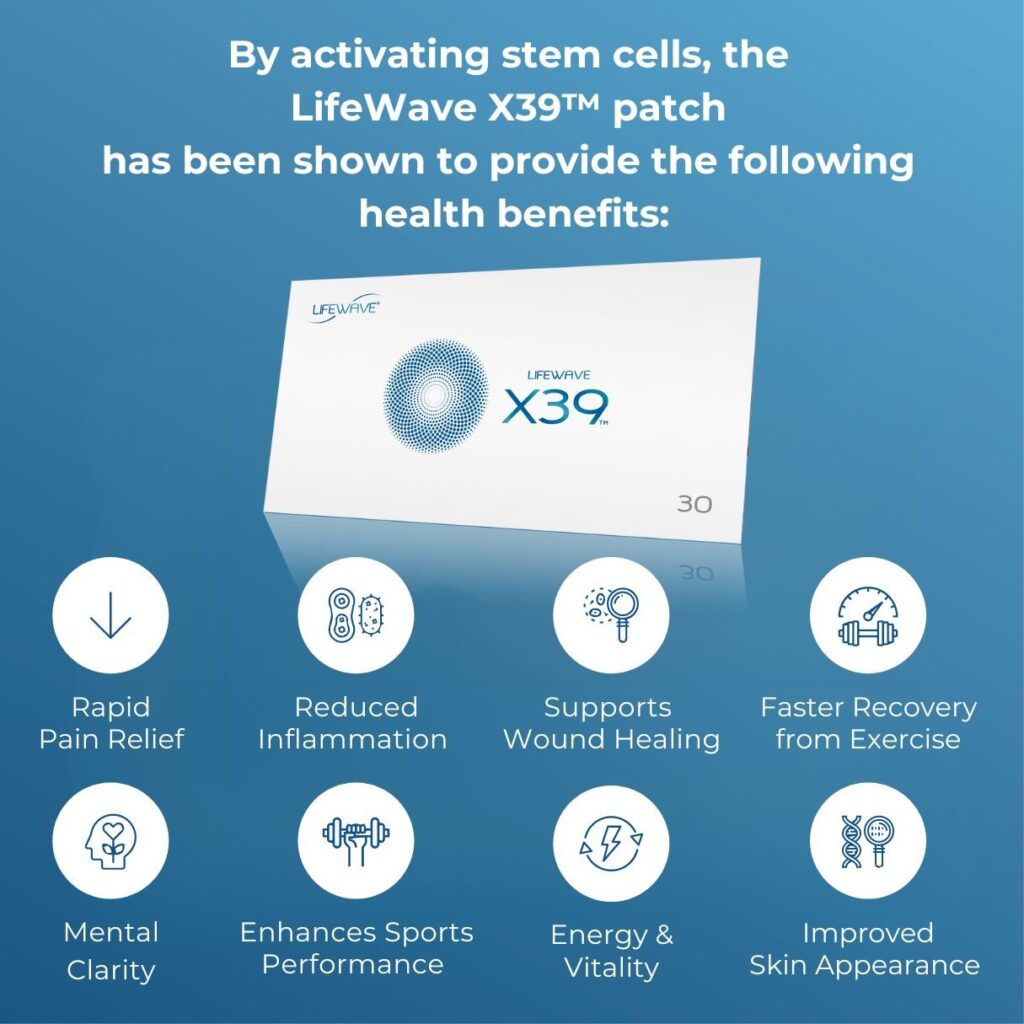
For example, many adults explore LifeWave X39 patches – natural health optimization to support recovery, energy, or youthful function. Others look at the broader LifeWave Y‑Age patch collection for cellular health, which focuses on antioxidant and cellular support.
Research on long-term healthy aging is still growing, and lifestyle basics still matter more than any single product. Good sleep, balanced food, regular strength and cardio work, and stress tools will always be your foundation.
How To Decide If LifeWave Products Are Right For You
You make better choices when you stay clear on your goals, budget, and health picture. A few simple steps can keep you grounded.
Match LifeWave products to your wellness goals
Start by picking one main goal:
- Better sleep and relaxation
- More daytime energy and focus
- Faster workout recovery and comfort
- General aging and vitality support
Choose one product line that matches that goal and try it on its own first. This makes it easier to notice what changes and what does not.
If you are a wellness entrepreneur or brand partner, use the patches on yourself for a trial period before you share them with clients. First-hand experience lets you speak with more honesty and clarity.
Set a budget and manage expectations
See Lifewave products as part of your wider wellness plan, not the star of the show. You may already invest in whole foods, gym visits, massage, or other therapies.
Decide how much you feel comfortable spending each month on patches. Then give yourself a clear test window, such as 3 to 6 weeks.
Keep a simple journal with notes on sleep, energy, mood, or recovery. Look for gentle trends instead of dramatic overnight change.
Safety, medical conditions, and talking with your provider
If you are pregnant, nursing, managing a medical condition, or taking medications, talk with your healthcare provider before you start.
LifeWave patches do not replace diagnosis, treatment, or regular checkups. They are wellness tools that sit on top of, not in place of, your medical plan.
Bring a brochure or product page to your next visit so your provider can see the key claims and any research. A good provider will help you think through risks, interactions, and realistic expectations.
Conclusion
You now have a clear picture of what Lifewave products are, how the patches are used, and the main categories that people care about: energy, sleep and stress, recovery, and healthy aging. These stickers work on the surface of your skin and are meant to interact with your own light and acupressure points.
The smartest way to use them is to match one product to one personal goal, set a budget and trial period, and check in with your body and your medical provider. No single patch can replace sleep, food, movement, or care, but the right option may become a small, steady part of your wellness routine.
If you feel curious, make a short list of goals and questions before you buy or speak with a rep, so you can choose with confidence and build a simple, sustainable plan that fits your life.